Mirrorless Camera vs Point and Shoot: Which Is Better? (November 2026)
In a mirrorless camera vs point and shoot comparison, choose mirrorless for lens choice and learning or point and shoot for pocketable convenience. Pick the camera you'll carry and use, with room for the kinds of photos you want to make.
On this page (11 sections)
- Mirrorless camera vs point and shoot: which should you choose?
- Which camera is easier to carry?
- How do lenses change what you can photograph?
- How do image quality and autofocus compare?
- Which works better indoors and after dark?
- Which is better for video?
- What extra gear should you budget for?
- How should you set up either camera before an outing?
- How do you care for the camera and avoid common mistakes?
- Which camera should a beginner buy, and who should skip each?
- Final choice: mirrorless camera vs point and shoot
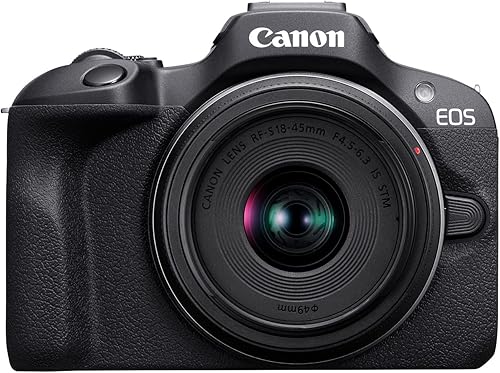
Choose mirrorless for lens choice and learning, or point and shoot for easy carrying and casual snapshots. This mirrorless camera vs point and shoot comparison pairs the Canon EOS R100 Kit (RF-S 18-45mm) with the Kodak PIXPRO FZ55 to show what those choices mean in daily use.
The Canon suits someone who wants photography to become a hobby. The Kodak suits someone who wants a separate camera for outings without managing extra lenses.
Start with your routine: what you photograph, where you carry a camera, and how much time you want to spend learning it. Those answers matter more than choosing the camera with the longer feature list.

Mirrorless camera vs point and shoot: which should you choose?
Choose mirrorless if you want to build skills and change lenses. Choose point and shoot if you want one small camera with its lens already attached.
With the R100, you can keep using the starter lens or add a compatible lens for a different need. That gives you a path forward when you discover an interest in portraits, distant subjects, or another style of photography.
The FZ55 removes that decision. Its lens stays on the camera, so you pack one unit and use the range it offers.
Neither approach requires you to adjust settings for every photo. Automatic exposure can be a starting point, while learning when to change a setting helps you handle harder scenes.
Before buying, name your 3 most common subjects. Family gatherings, daylight sightseeing, and learning portrait photography point toward different priorities, even when all 3 involve taking pictures of people.
Which camera is easier to carry?
The Kodak FZ55 is the better fit for pocket or small-bag carry. The Canon R100 has a compact, lightweight body, but you still need room for the attached lens.
Think about access as well as size. A camera buried beneath clothing in a backpack takes longer to reach than one kept in a small, easy-to-open compartment.
For sightseeing, decide whether you want a camera available throughout the day or only during planned photo stops. The FZ55 suits the first pattern; the R100 makes sense when you are willing to reserve bag space for photography.
Keep a strap attached and avoid putting either camera loose beside keys or other hard objects. A small protective pouch helps prevent scratches without making packing complicated.
Our guide to the best point and shoot cameras covers other simple options. For trips, compare compact cameras for travel with the size of the bag you actually use.
How do lenses change what you can photograph?
The R100 offers more ways to change your camera's capabilities, while the FZ55 gives you a useful built-in zoom without lens swaps. The right choice depends on whether you need another kind of lens.
The Canon kit includes an RF-S 18-45mm F4.5-6.3 IS STM lens. The Kodak has a 5x optical zoom covering a 28-140mm equivalent range, from wider views to tighter framing.
Don't compare the Canon's 18mm marking directly with the Kodak's 28mm equivalent figure. Sensor size affects the angle of view, so equivalent focal lengths are the useful basis for comparisons across different camera formats.
A zoom multiplier also doesn't tell you which camera reaches farther. It describes the ratio between the lens's shortest and longest focal lengths.
Start with what a mirrorless camera is if lens systems are new to you. Our guide to what a kit lens does explains the role of the starter zoom.
Before adding another lens, notice what repeatedly stops you getting a picture. Read whether a kit lens is good enough to separate a real lens limitation from a skill you can practice.
How do image quality and autofocus compare?
The R100 gives you more scope for learning image control, with a 24.1MP APS-C CMOS sensor and human face and eye detection. The FZ55 uses a 16MP CMOS sensor and contrast-detection autofocus for everyday photography.
More megapixels can help when cropping, but they don't fix missed focus or movement blur. For everyday sharing, getting the subject sharp and properly lit matters more than the difference in pixel count.
The Canon's face and eye detection can help you place focus on a person. Still, check that the camera has selected the intended face when several people share the frame.
With either camera, focus before pressing the shutter fully and review important shots. For groups, keep people near the same distance from the camera so one person isn't much closer than everyone else.
For moving children, a faster shutter speed helps freeze movement. Image stabilization addresses camera shake; it doesn't stop a moving subject from blurring.
Our guide to cameras for family photos helps you choose around the moments you photograph most.
Which works better indoors and after dark?
For dim rooms, prioritize available light and subject movement before choosing settings. Neither camera removes the need to think about where light falls.
Move people closer to a window when possible, and avoid placing a bright window directly behind their faces. Turn subjects slightly toward the light rather than asking the camera to brighten a dark face against a bright background.
With still subjects, supporting the camera helps reduce shake. With people who won't stay still, you need enough light for a shutter speed that freezes their movement.
Both cameras have a built-in flash. It can help nearby subjects, but it won't light a distant scene or a whole large room evenly.
If indoor portraits become your main interest, the R100's interchangeable-lens system gives you a route to a lens with a wider maximum aperture. Make that choice after learning what limits your current setup.
Which is better for video?
Choose the R100 for more recording options and the FZ55 for straightforward everyday clips. Think about framing and how you'll share footage before making resolution the deciding factor.
The Canon records 4K from the central area of its sensor at up to 24 fps, Full HD at up to 60 fps, and HD at up to 120 fps. Its 4K crop means you should check your framing in the chosen recording mode before starting.
The Kodak records 1080p Full HD video. That suits casual clips when you don't need a 4K file or the Canon's range of recording modes.
Both cameras have fixed screens. If filming yourself is a main goal, consider how you'll confirm framing when you can't turn the screen toward you.
For better clips, hold the camera steady, pause before moving it, and record a few seconds before and after the action. Check sound and framing with a short sample before recording an important event.
What extra gear should you budget for?
Start with storage, protection, and a charging plan, then add accessories only when they solve a clear problem. The R100 kit already includes a lens, so another one isn't required to begin.
The FZ55 accepts Class 10 SD, SDHC, or SDXC cards up to 512GB. Choose a card that meets your camera's requirements rather than assuming a card from another device will suit it.
For the Canon, match storage to the recording mode you intend to use. Don't apply the Kodak's memory-card requirements to a different camera.
A protective bag or pouch and a secure strap are useful first additions. A tripod makes sense for stationary scenes or self-timer photos, but it adds another item to carry.
Leave room in your budget for accessories without buying a full kit of extras at once. For mirrorless, wait until you can name the photo your current lens cannot make before choosing the next lens.
How should you set up either camera before an outing?
Charge the battery, prepare the memory card, and make a few practice photos before you leave. Learning the basic controls at home prevents missed moments later.
For the FZ55, charge the included LB-012 battery for at least 4 hours before first use. Later charging takes about 2 hours over USB with the supplied adapter, and its battery provides about 200 shots per charge.
Set the date and time so your photos sort properly. After backing up anything already on the card, format it in the camera according to its instructions.
Begin with automatic exposure and learn how to review, zoom into, and delete photos. Check a face at a larger view on the screen rather than judging sharpness from the small preview.
On the R100, move to Aperture Priority when you want to explore depth of field. Change one setting at a time so you can connect the result to the choice you made.
Before a family event, practice locating the flash control and switching between stills and video. Put settings back to a familiar starting point after experimenting.
How do you care for the camera and avoid common mistakes?
Keep grit, moisture, and fingerprints away from the lens and controls. Clean gently and store the camera where it won't be crushed or knocked around.
Use a clean lens cloth for fingerprints, removing loose dust first so you don't drag grit across the glass. Avoid wiping lenses with clothing that may hold sand or dirt.
With the R100, change lenses in a clean, sheltered place and replace caps promptly. Keep the opening pointed downward and avoid touching the sensor or lens contacts.
With the FZ55, keep fingers away from the moving lens when turning it on or off. Let it finish retracting before putting it into a pouch.
Mirrorless camera vs point and shoot mistakes to avoid
The biggest mistake is buying for an imagined hobby instead of your current habits. A camera that feels inconvenient will stay at home, while one that blocks a clear creative goal will soon feel limiting.
Don't use digital zoom as a substitute for optical reach when detail matters. Reframe with the lens or move closer when it is safe and appropriate.
Don't assume a sharper lens will fix shaky technique. Support the camera, focus carefully, and check whether blur comes from hand movement or a moving subject.
Back up photos regularly instead of leaving your only copy on a card. Before deleting or formatting anything, confirm that the copied files open correctly.
Which camera should a beginner buy, and who should skip each?
Buy the R100 if you want to learn photography as a skill. Buy the FZ55 if your main goal is a small, separate camera for snapshots.
The Canon suits someone willing to practice exposure, learn focus choices, and think about lenses over time. You can start simply, then add skills without committing to extra gear immediately.
Skip the R100 if carrying a camera with an attached lens already feels like a chore. Its ability to grow with you matters only if you expect to use that flexibility.
The Kodak suits day trips, casual family outings, and people who prefer a camera that stays together as one unit. Its appeal is a straightforward routine with fewer gear decisions.
Skip the FZ55 if you already know you'll want interchangeable lenses or 4K recording. Buying a simpler camera won't remove a requirement you have clearly identified.
For more system-camera choices, see beginner mirrorless cameras. If carrying gear is your concern, how to travel with a camera covers practical packing and use habits.
Final choice: mirrorless camera vs point and shoot
Make your mirrorless camera vs point and shoot decision around your next few outings. Choose the R100 for deliberate practice and a lens system, or the FZ55 for casual photos with less to pack.
| Product | Best for | Sensor | Lens | Video | Our score |
|---|---|---|---|---|---|
| Canon EOS R100 Kit (RF-S 18-45mm) | learning photography | 24.1MP APS-C CMOS | RF-S 18-45mm F4.5-6.3 IS STM | 4K up to 24 fps | 8.8 |
| Kodak PIXPRO FZ55 | casual outings | 16MP CMOS | 5x optical zoom, 28mm wide angle | 1080p Full HD | 9.1 |
Canon EOS R100 Kit: choose it for a growing hobby
Choose the Canon when you can name something you want to learn, such as controlling background blur or using exposure settings. Skip extra lenses at first and build familiarity with the kit.
Kodak PIXPRO FZ55: choose it for simple outings
Choose the Kodak when easy carrying is what will get a camera out of the drawer. Accept the fixed lens as part of that simple setup rather than planning around future lens changes.
If you lean toward a camera system, use how to choose a beginner mirrorless camera to turn your main subjects and carrying preferences into a shortlist.
Frequently asked questions
Is a mirrorless camera better than a point and shoot?
Mirrorless is the better choice for changing lenses and learning exposure control, while a point and shoot suits easy carrying and casual snapshots. Choose around your main subjects and willingness to carry gear; a camera with more options only helps when those options solve a real need.
Can a point and shoot take good family photos?
Yes, a point and shoot can take good family photos, especially when you have enough light and give the camera time to focus. For groups, keep faces near the same distance from the camera, avoid strong light behind them, and check the picture before everyone moves away.
Should a beginner buy a mirrorless camera?
A beginner should buy mirrorless if learning settings and choosing lenses sound useful or enjoyable. You can begin with automatic exposure and the included lens, then learn one control at a time; choose a compact camera instead if carrying less gear matters more than developing a camera system.
Do mirrorless cameras zoom more than point and shoot cameras?
Neither type always zooms farther because reach depends on the lens. A zoom multiplier describes the range between a lens's widest and longest settings, rather than how far away it can photograph a subject; compare equivalent focal lengths when judging reach across cameras with different sensor sizes.


