What Is a Kit Lens?
A kit lens is a lens sold with a camera, usually a zoom for everyday photos and video. It helps you learn framing before choosing a lens for a specific need.
On this page (8 sections)
- What is a kit lens, and what do its numbers mean?
- What can you photograph with a kit lens?
- Who should buy the Canon RF-S 18-45mm separately?
- When does the Canon RF 50mm make more sense?
- Should beginners choose the Canon EOS R50 kit?
- How do you set up and care for a kit lens?
- Which kit lens mistakes cause disappointing photos?
- What is a kit lens worth keeping for?
A kit lens is a lens sold with a camera, usually a zoom that covers everyday photos and video. If you're asking what is a kit lens, the key point is that “kit” describes the bundle, not a special lens design.
You can also buy some kit lenses separately. Start with one when you want a flexible first lens, then add another only when you know what your usual photos need.
What is a kit lens, and what do its numbers mean?
A kit lens is the lens included with a camera body, and its numbers describe the views and light-gathering options it offers. Kits vary, so check the actual lens name rather than assuming every bundle includes the same equipment.
What is a kit lens zoom range?
A zoom range tells you how far you can change the framing while staying in one place. The smaller focal-length number gives a wider view; the larger number gives a tighter view.
On the same camera, the wide end helps fit a group or street scene into the frame. The longer end helps isolate a person or nearby detail.
Focal length alone doesn't tell you how wide the picture will look across different camera systems. Sensor size also affects the field of view, so compare lenses on the camera you plan to use.
What does the aperture number tell you?
The f-number describes the aperture, which controls how much light passes through the lens. A lower f-number means a wider opening and can help with low light or a blurred background.
Two maximum-aperture numbers on a zoom mean the widest available opening changes as you zoom. That matters indoors, where zooming in can leave you needing a higher ISO or slower shutter speed.
For more context on the camera behind the lens, read what a mirrorless camera is.
What can you photograph with a kit lens?
A standard zoom kit lens suits nearby, everyday subjects, including family groups, travel scenes, food, and casual portraits. It gives you several framing choices without carrying separate lenses.
For groups, leave room around the edges and keep faces away from the frame's outer corners. If someone looks stretched, step back and use a slightly longer focal length.
For portraits, avoid standing very close with the widest view. Give your subject space, zoom toward the longer end, and place them farther from the background.
A kit lens can also be a sensible travel choice when you want fewer lens changes. Use our guide to how to travel with a camera to plan how you'll carry and protect the setup.
Who should buy the Canon RF-S 18-45mm separately?
The Canon RF-S 18-45mm Lens suits someone who already has a compatible body and needs a compact everyday zoom. Skip it if you already own this lens or need a clear change in reach or low-light ability.
It covers 18–45mm with a maximum aperture of f/4.5–6.3. It's designed for Canon RF-mount APS-C cameras; on full-frame EOS R cameras, it automatically enables APS-C crop mode.
That crop makes it a poor choice for someone buying a lens to use the full area of a full-frame sensor. For an APS-C user, the range suits walks, group photos, and nearby subjects without a large lens to carry.
This option is renewed, so factor its condition into your decision. Canon specifies optical stabilization with up to 4 stops of shake correction, but that helps with camera movement rather than a moving child or pet.
Keep shutter speed high enough for your subject even when stabilization is on. If you're learning the controls, follow how to use the Canon R50 as a beginner.
When does the Canon RF 50mm make more sense?
The Canon RF 50mm f/1.8 STM Lens suits portraits and low-light photos when you have room to stand back. Skip it as your only lens if you mainly photograph groups in small rooms or need quick changes in framing.
Its fixed 50mm focal length doesn't zoom, while its f/1.8 maximum aperture lets in more light than the standard zoom discussed above. On an APS-C camera, its tighter view can suit individual portraits but feel cramped indoors.
Before choosing it, use your current zoom near its longest setting in your usual rooms. If that view already feels too tight, this prime won't solve your space problem.
A wide aperture also gives less depth of field, so not everything in front of and behind your focus point will stay sharp. For several people at different distances, use a smaller aperture rather than automatically choosing the widest opening.
Moving your feet changes both framing and perspective, so a prime isn't a direct substitute for a zoom. Compare the options in the best lenses for the Canon R50 by the problem you need to solve.
Should beginners choose the Canon EOS R50 kit?
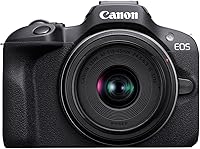
The Canon EOS R50 kit suits someone starting without a compatible body or lens who wants to learn both photos and video. Skip the full kit if you already own a suitable camera and only need a lens.
It pairs a 24.2-megapixel APS-C camera with the standard zoom discussed above. People, animal, and vehicle subject tracking can help you keep attention on framing while the camera follows a recognized subject.
The vari-angle touchscreen helps with low or high camera positions and filming yourself. For video, the camera offers 6K-oversampled, uncropped 4K recording at up to 30 fps.
Those body features don't change the lens's field of view or maximum aperture. Choose the bundle because its camera and lens match your needs, rather than expecting camera features to fix every lens limit.
If you're still choosing a system, compare beginner cameras for family photos and travel. Our guide to whether mirrorless cameras are good for beginners explains the broader learning tradeoffs.
How do you set up and care for a kit lens?
Start with a secure mount, a clean front element, and simple camera settings. You don't need a complicated setup to learn which framing works.
- Turn the camera off before fitting the lens, and follow the mount alignment marks. Work away from wind and blowing dust.
- If the lens has a retracting design, extend it to its shooting position as directed in its manual. Don't force the barrel.
- Begin with automatic exposure and autofocus. For people, use face or eye detection if your camera offers it.
- Photograph the same subject at the wide, middle, and long ends. Compare what enters the frame and how the background changes.
Once framing feels familiar, try aperture priority with Auto ISO. Watch the shutter speed, especially indoors, and switch to shutter priority when freezing movement matters more than background blur.
For cleaning, remove loose dust with a lens blower before using a clean lens cloth. Don't rub grit across the glass or spray cleaning fluid directly onto the lens.
Use front and rear caps during storage, and keep the lens dry. After moving from a cold place into warm, humid air, let the camera warm gradually inside a closed bag to reduce condensation.
Which kit lens mistakes cause disappointing photos?
The main mistakes are using a slow shutter for movement, expecting unlimited reach, and choosing settings that don't fit the subject. Fix those before assuming the lens needs replacing.
Stabilization can't freeze a running pet. If the background looks sharp but the subject is blurred, use a faster shutter speed and accept a higher ISO if needed.
Zooming isn't the same as moving closer. A standard zoom won't fill the frame with a distant bird simply because it has a zoom ring.
The widest aperture isn't always the right choice. A group arranged in several rows may need more depth of field than an individual portrait.
Don't judge sharpness from a heavily cropped image alone. Check focus placement and shutter speed, then compare a correctly focused photo at the size you'll actually share or print.
What is a kit lens worth keeping for?
Keep a kit lens for flexible everyday framing, and add a different lens when a repeated need points to a specific change. Review a few outings' photos before buying.
- Choose the separate standard zoom if you have a compatible body and lack an everyday lens.
- Choose the camera kit if you're starting from scratch and want a body and general zoom together.
- Add the 50mm prime if portraits or low light matter most and you have enough working distance.
- Look beyond these options if distant wildlife, field sports, or very wide room views are your main goal.
The useful answer to “what is a kit lens?” is a starting lens that helps you discover your needs. Before replacing yours, use whether a kit lens is good enough to decide whether your next step should be a new lens or a change in technique.
Frequently asked questions
What is a kit lens used for?
A kit lens is used for everyday photos and video, including family moments, travel scenes, and casual portraits. A standard zoom lets you fit more of a scene into the frame or tighten the view without changing lenses; its range also helps you learn which focal lengths you prefer.
Is a kit lens good for beginners?
Yes, a standard zoom kit lens is a useful first lens because it covers several common views in one package; you can learn framing, focus, and exposure before choosing a more specialized lens. Start with the included lens unless you already know it cannot cover your main subject.
Can you take good photos with a kit lens?
Yes, a kit lens can produce good photos when you match your settings to the light and subject; use a shutter speed fast enough for movement, place focus carefully, and watch the background. For stronger background blur, move your subject farther from the background and frame more tightly.
Do you need to buy a lens with your camera?
You need a compatible lens for an interchangeable-lens camera, but you do not need to buy another if the camera kit includes a suitable one; a body-only package has no lens. Check the exact mount and sensor coverage before reusing a lens from another camera, even from the same brand.