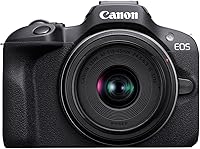
How to Choose a Camera for Travel
The best camera for travel is one that fits your daily bag and gives you something your phone doesn't. Choose a compact for a built-in zoom, or a mirrorless camera if changing lenses and developing your photography are priorities.
On this page (10 sections)
- What makes the best camera for travel?
- Should you choose a compact or mirrorless camera?
- How much zoom do you need on a trip?
- Which camera features matter for family trips?
- Which travel camera fits your style?
- How should you choose a travel camera for video?
- What should you check before buying a travel camera?
- How should you set up a travel camera before departure?
- How do you protect photos and avoid common travel mistakes?
- Which camera should you choose for travel?
The best camera for travel is one that fits your daily bag and gives you a clear reason to use it instead of your phone. Choose a compact for a built-in zoom, or a mirrorless camera if changing lenses is part of your plan.
Start with the trip itself: city walks, family outings, distant scenery or videos of yourself. Those needs tell you more than a long feature list.
The 4 cameras below suit different travel habits. For packing and transit advice, see how to travel with a camera.
What makes the best camera for travel?
The best travel camera balances carry size, useful framing and controls you'll learn before departure. A camera that stays in your room because the bag feels awkward has little value on a walking trip.
Write down 3 photos you expect to take, such as a family group at dinner, a building across a square and a view from a trail. Use those scenes to decide which features deserve your attention.
Indoor groups call for a wide view and enough room to step back. Distant details call for reach, while moving children need careful focus and a shutter speed that can freeze motion.
Also decide how much attention photography should take from the day. A simple compact suits quick stops; a system camera makes more sense if choosing settings and lenses is part of the pleasure.
Match the best travel camera to your daily bag
Judge the camera with its lens and supplies, rather than the body alone. Leave space for charging gear, protection and anything else you'll carry all day.
If you want a pocket camera, check its dimensions against the pocket you actually use. A small shoulder pouch may be more practical than forcing a camera into a tight pocket where it is hard to reach.
Should you choose a compact or mirrorless camera?
Choose a compact for a built-in lens and mirrorless for the freedom to change lenses. The practical difference is how much gear you want to manage during the trip.
| Travel habit | Better starting point | Main trade-off |
|---|---|---|
| Quick snapshots between activities | Simple compact | Less room to change the setup |
| One camera for near and distant scenes | Zoom compact | The built-in lens sets your limits |
| Photography as a main trip activity | Mirrorless kit | More choices and possible extra gear |
| Recording yourself during the day | Either type | Screen position and audio need attention |
A fixed lens removes the need to choose lenses each morning. That helps on busy family trips where a missed moment matters more than having the ideal lens.
Mirrorless doesn't require a bag full of lenses. Start with the included zoom and add another only when you can name the problem it would solve.
If the terms are new, read what a mirrorless camera is. Our guide to whether compact cameras are worth it helps weigh a separate camera against a phone.
How much zoom do you need on a trip?
Choose zoom for subjects you can't easily approach, but give equal thought to the wide end. Tight streets, small rooms and group photos can make a wider view more useful than extra reach.
An optical zoom ratio describes the difference between a lens's widest and longest settings. It doesn't tell you the starting view, so a larger multiplier alone isn't a complete comparison.
Focal lengths also need context. Numbers on lenses for different sensor formats aren't always directly comparable, so don't assume equal millimeter figures produce equal views across cameras.
Longer zoom makes hand movement more visible. Brace your elbows, pause before pressing the shutter and use support when available, especially near dusk.
Image stabilization helps with camera movement, but it doesn't stop a person from moving. For active children or street performers, a faster shutter speed may matter more than holding the camera perfectly still.
Avoid relying on digital zoom when optical reach runs out. Moving closer safely or keeping a wider frame can preserve more detail than enlarging a small part of the image.
Which camera features matter for family trips?
For family travel, prioritize quick access, reliable focus and simple operation. You should be able to turn the camera on, frame the group and take a photo without working through several menus.
Face or eye autofocus can help keep attention on people. Check the selected subject on the screen, since a camera may choose someone in the background instead of your intended person.
For groups, keep faces near the same distance from the camera when possible. Focus on a face and review the result before everyone walks away.
Sharing also affects whether photos get used. Set up any phone connection before leaving, and practice transferring a few images without depending on hotel internet.
For more advice about moving subjects and group shots, see what makes a good camera for family photos.
Which travel camera fits your style?
Choose the camera whose main strength matches your trip. These options cover a mirrorless creator kit, a sharing-focused zoom compact, a simple snapshot camera and a compact with subject tracking.
Nikon Z30 With Wide-Angle Zoom: for travelers building a camera system
Choose the Nikon Z30 if you want travel photos and self-recorded video, with the option to change lenses later. Its included zoom gives you a starting setup without choosing a separate lens first.
The camera records 4K video and offers eye tracking for people and pets. Its built-in stereo microphone has adjustable sensitivity, which is useful when setting recording levels for speech.
The screen helps you check framing while facing the lens. Before recording a long introduction, make a short clip and play it back to check focus, sound and what appears behind you.
Choose it if you expect photography or video to become an ongoing interest. Compatibility with NIKKOR Z lenses gives you a way to change the kit as those interests develop.
Skip it if your main goal is a simple pocket camera with a permanently attached lens. Also avoid buying extra lenses before learning where the included zoom falls short; whether a kit lens is good enough is a useful next read.
Canon PowerShot ELPH 360 HS: for sightseeing and easy sharing
Choose the Canon PowerShot ELPH 360 HS if you want flexible framing without lens changes. Its slim body suits travelers who want a separate camera without building a larger system.
The camera has a 20.2MP CMOS sensor and a 3-inch LCD. Its automatic exposure control suits people who prefer concentrating on the scene rather than choosing exposure settings.
Hybrid Auto captures up to 4 seconds of video before each photo and combines the clips and stills into a recap. That suits a day of sightseeing where you want brief motion clips without making separate recordings at every stop.
It also records 1080p Full HD video. Set up the phone connection before departure so sharing doesn't become an evening chore.
Skip it if 4K recording is a firm requirement or you want interchangeable lenses. Its appeal is a self-contained travel camera, so choose it for the built-in features you'll actually use.
Kodak PIXPRO FZ55: for simple vacation snapshots
Choose the Kodak PIXPRO FZ55 for casual photos with straightforward controls. Its slim, lightweight body fits the traveler who wants a dedicated snapshot camera in a pocket or small bag.
The camera uses a 16MP CMOS sensor and a fixed 2.7-inch LCD. That is a simple setup for framing and reviewing everyday scenes without managing a moving screen.
Its included rechargeable battery charges inside the camera over USB with the supplied adapter. Kodak specifies about 2 hours for charging and at least 4 hours before first use.
Plan around its roughly 200-shot battery figure, allowing a margin for reviewing images and recording clips. On a long outing, a spare compatible battery can prevent charging needs from deciding when you stop taking photos.
Skip it if you need a screen for framing yourself or want 4K recording. It also isn't the choice here for distant subjects that demand substantially more optical reach.
Sony RX100 VII: for moving subjects without extra lenses
Choose the Sony RX100 VII if you want subject tracking in a compact camera. Its built-in lens makes it an option for travelers who want varied framing without managing a lens system.
It combines a 20.1MP 1.0-type stacked CMOS sensor with real-time tracking. Human eye autofocus works for stills and movies, while animal eye autofocus is limited to still photos.
Continuous shooting reaches up to 20 frames per second. Use short bursts for a child jumping or a fleeting gesture, then review the sequence instead of filling a card with near-identical frames.
The camera also has a tilting LCD and a microphone jack. The latter matters if you plan to add an external microphone for speech.
Skip it if you want only occasional snapshots and won't learn the tracking controls. Choose mirrorless instead if changing lenses is a central reason for buying a camera.
How should you choose a travel camera for video?
Choose video features around what you'll record and how you'll watch it. Short family clips, narrated walking videos and carefully edited travel films place different demands on a camera.
1080p can be enough for everyday clips and sharing. Choose 4K when you want more detail for a compatible display or room to crop during editing, while allowing for larger files.
For self-recording, screen position can matter more than resolution. Check that you can see your framing and confirm recording has started before speaking.
Sound needs its own plan. Move away from traffic and wind, keep the camera close enough to hear speech and listen to a short sample before recording something you can't repeat.
Stabilization doesn't replace steady technique. Keep movements slow, hold a shot for several seconds and avoid sweeping quickly across every view.
What should you check before buying a travel camera?
Check the complete kit, power needs and transfer method before choosing. These details determine whether the camera fits your trip as well as your photo plans.
- Daily carry: Include the lens, protective pouch and charging supplies.
- Subjects: Decide whether wide views, moving people or distant details come first.
- Video: Check screen movement and audio features alongside resolution.
- Memory: Confirm the exact card type, capacity and recording requirements.
- Power: Match batteries, charging cables and adapters to the camera.
- Transfers: Plan how images will reach your phone, computer or backup storage.
Don't choose a memory card by capacity alone. Recording modes can require a particular speed, so follow the camera manual when selecting one.
The FZ55 accepts Class 10 SD, SDHC or SDXC cards up to 512GB. Check requirements separately for the other cameras rather than assuming the same card suits every model.
For a first system camera, our beginner mirrorless camera guide explains the choices that deserve attention before buying.
How should you set up a travel camera before departure?
Set up power, storage and basic controls at home, then practice the shots you expect on the trip. A departure morning is a poor time to learn charging or phone pairing.
- Charge the battery using the correct equipment.
- Set the date, time and time zone for the trip.
- Insert a compatible card and format it in the camera after saving any existing files elsewhere.
- Start with automatic exposure and learn how to select your focus subject.
- Practice switching between photos, video and playback.
- Transfer several files and confirm that you can open them.
Use a familiar starting mode rather than changing many settings at once. If a picture is blurry, work out whether focus, subject movement or camera movement caused it before changing another control.
For a day out, take a wide scene, a closer detail and a photo with people in it. This simple sequence tells a fuller story than collecting many nearly identical landmark shots.
How do you protect photos and avoid common travel mistakes?
Protect the camera from grit, moisture and accidental drops, and keep another copy of important photos. A few consistent habits prevent more trouble than carrying accessories you never use.
Use the supplied strap where available, and keep the camera in a protective pouch when it shares a bag with keys or other hard objects. Put it away before entering heavy spray or blowing sand.
Remove loose grit gently before wiping a lens with a clean lens cloth. Rubbing a dusty surface can drag particles across it.
After moving from a cold place into warm, humid air, leave the camera in its closed bag while it warms gradually. If condensation appears, let it clear before use.
Back up files during the trip and keep the copies separate when possible. Don't erase the card until you've confirmed the copied files open.
Avoid these common mistakes:
- Buying for megapixels alone: Framing, focus and steady technique also shape the result.
- Packing every accessory: Carry items that solve a known need that day.
- Using long zoom in dim light without support: Shorten the zoom or find a steadier position.
- Leaving unfamiliar settings active: Check the shooting mode before the next outing.
- Assuming a new camera improves every phone photo: Identify the benefit you need before adding another device.
Which camera should you choose for travel?
Choose the Nikon Z30 for a system you can develop and self-recorded video. Pick the Canon PowerShot ELPH 360 HS when a built-in zoom and phone sharing are your main needs.
Choose the Kodak PIXPRO FZ55 for simple vacation snapshots, or the Sony RX100 VII when moving subjects and tracking matter without carrying separate lenses.
The best camera for travel should solve a specific problem on the trip you're taking. If your phone already meets your needs, put the effort into better framing and a sound backup routine.
For a shorter list centered on built-in lenses, see our best compact cameras for travel guide. If photography will shape the itinerary, compare the priorities in best cameras for travel photography.
Frequently asked questions
What type of camera is best for travel?
A compact camera suits travel when you want a built-in zoom and little gear to manage. Choose mirrorless if you want to change lenses or learn more camera controls, and judge the complete kit by what you'll carry through a full day of walking.
Is a compact camera or mirrorless camera better for travel?
A compact is the better fit for simple packing, while mirrorless gives you more lens choices. Neither type wins every trip: a built-in zoom avoids lens changes, but a mirrorless kit lets you choose a different lens when your subjects or interests change.
How much zoom do I need for a travel camera?
You need enough zoom to frame the subjects you can't safely approach. A wide view matters for groups and buildings, while longer reach helps with distant details; compare the wide end as well as the zoom ratio, since a larger multiplier doesn't describe the whole lens range.
Do I need a separate camera for travel if I have a phone?
You don't need a separate camera if your phone already captures the photos and clips you want. Buy one for a specific benefit, such as optical zoom, subject tracking or changeable lenses, and allow time for charging, learning controls and backing up a second device.
What should I pack with a travel camera?
Pack a compatible memory card, a charged battery, the correct charging supplies and a protective pouch or bag. Add a spare compatible battery for long days away from power, and keep a lens cloth handy so fingerprints don't spoil photos in bright or backlit scenes.