Kodak PIXPRO FZ55 vs FZ45: Which Is Better? (November 2026)
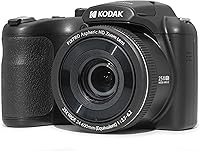
For Kodak PIXPRO FZ55 vs FZ45, choose the FZ55 for regular outings with overnight charging, or the FZ45 for trips where spare AA batteries suit your routine. The FZ55 also offers more optical reach.
On this page (10 sections)
- Kodak PIXPRO FZ55 vs FZ45: what should decide your choice?
- How much more can the FZ55 fit or reach?
- Which battery system fits your trips?
- Will either camera improve your family photos?
- Who should buy each camera, and who should skip both?
- How should you set up either camera before the first outing?
- What shooting habits help you get better results?
- How should you care for the camera and your photos?
- When does the AZ255 make more sense?
- Final decision: Kodak PIXPRO FZ55 vs FZ45
For Kodak PIXPRO FZ55 vs FZ45, choose the FZ55 if you can recharge after outings and want more reach, or the FZ45 if carrying spare AA batteries fits your plans better. Your power routine is the strongest reason to favor one over the other.
Both suit buyers who want a separate, simple camera for casual photos. Neither should be chosen on the assumption that buying a dedicated camera automatically improves every picture over a phone.
For other options, see our guides to the best Kodak PIXPRO cameras and the best point and shoot cameras.


Kodak PIXPRO FZ55 vs FZ45: what should decide your choice?
Choose by battery routine first, lens reach second. The FZ55 fits a charge-before-you-leave habit, while the FZ45 fits a pack-spares-and-go habit.
Think about your last few trips rather than a rare future adventure. A hotel stay with access to an outlet creates a different need from several days away from charging.
Then consider where you stand when taking pictures. If you often photograph details across a square or a child from your seat, extra reach matters more than it does for nearby friends and meals.
Don't let the small difference at the wide end drive the whole purchase. The two cameras frame broadly similar everyday scenes, so how you keep the camera ready deserves more weight.
How much more can the FZ55 fit or reach?
The FZ55 reaches farther, while the FZ45 captures a slightly wider view from the same spot. The difference favors tighter framing on the FZ55 rather than a major change in what kinds of photos you can take.
The FZ55 has 5x optical zoom covering 28mm to 140mm equivalent. The FZ45 has 4x optical zoom covering 27mm to 108mm equivalent.
That extra telephoto reach helps isolate a building detail or frame a person more closely when you cannot move forward. It does not turn the FZ55 into a camera for filling the frame with faraway wildlife.
The FZ45's small wide-angle advantage can help at the edge of a group photo, but it won't solve every cramped room. Try changing your position and asking people to stand closer together before blaming the lens.
Does the Kodak PIXPRO FZ55's extra zoom beat the FZ45 for travel?
Favor the FZ55 for details you cannot approach, such as roof decorations or a subject across water. For street scenes and nearby people, carrying the camera where you can reach it matters more.
Both also offer 6x digital zoom, which enlarges the image rather than extending the lens's optical reach. Use optical zoom first and avoid treating the digital figure as extra lens range.
Our best compact cameras for travel guide covers other travel choices. For a much larger jump in reach, consider the Kodak PIXPRO AZ255 rather than expecting either small compact to handle every distant subject.
Which battery system fits your trips?
The FZ55 suits planned charging; the FZ45 suits planned battery swaps. Both need preparation, but the item you pack changes from a charging kit to spare cells.
The FZ55 includes an LB-012 lithium-ion battery that charges inside the camera over USB with the supplied adapter. A normal charge takes about 2 hours, and Kodak recommends at least 4 hours before first use.
Its stated battery life is about 200 shots per charge. Treat that as a planning guide, since the way you use a camera affects how quickly its battery runs down.
The FZ45 uses 2 AA alkaline batteries, with a pair included. Carry a fresh spare pair rather than assuming you'll find replacements exactly when the camera stops.
Choose charging when it fits an existing habit
The FZ55 makes sense if you already prepare devices the night before an outing. Keep its cable and adapter together so packing the camera also means packing its charging supplies.
Skip it if you routinely forget to charge devices and dislike waiting before leaving. A rechargeable battery helps only when your routine keeps it ready.
Choose AA power when you will carry spares
The FZ45 fits trips with uncertain charging access, provided you pack enough fresh batteries. Store spares in a protective case and replace the pair together with matching fresh cells.
Skip it if you dislike buying, storing and disposing of batteries. Replaceable power removes charging time, but it adds another supply to manage.
Will either camera improve your family photos?
Either can serve casual family photography, but matching headline specifications do not prove identical image quality. Choose these cameras for their separate-camera experience and lens flexibility.
Both have a 16MP CMOS sensor, 1080p video, a fixed 2.7-inch LCD and a built-in flash. Those shared features are not useful tie-breakers.
For a person standing still, light and timing often matter more than a small lens difference. Move toward soft window light indoors, keep the background simple and wait until faces are turned toward you.
For moving children, take several separate frames and review them for blur before the moment passes. Neither camera should be bought on the assumption that sensor resolution guarantees sharp indoor action.
A camera you enjoy carrying can encourage more deliberate photos. Our guide to whether compact cameras are worth considering helps weigh that benefit against using your phone.
If indoor parties or children in motion are your main subjects, broaden the search with our guide to the best cameras for family photos. More zoom alone does not solve movement in dim light.
Who should buy each camera, and who should skip both?
Buy the FZ55 for repeat outings with charging access; buy the FZ45 for a spare-battery routine. Skip both if your main goal requires something beyond casual compact photography.
The FZ55 suits regular day trips
Choose it for sightseeing, family walks and everyday details when you return to somewhere you can charge. Its longer reach gives you more framing options without changing lenses.
It also suits someone who wants to keep a dedicated camera ready in a small bag. Put charging on the same checklist as backing up photos after a trip.
The FZ45 suits buyers who prefer replaceable power
Choose it for outings where carrying fresh cells feels easier than arranging charging. It is also a sensible fit if you want familiar batteries instead of managing a camera-specific rechargeable pack.
The slightly wider view is a useful bonus for nearby scenes. Make sure you are comfortable maintaining a supply of batteries before making that your reason to buy.
Look elsewhere for demanding action or room to grow
If you mainly want sports, frequent dim-room photos or deeper control as you learn, compare other camera types before settling here. Don't buy either compact solely because it has more megapixels than an older device.
Our mirrorless camera versus point and shoot guide explains the practical tradeoffs. It is a useful next step if this will be your main camera for learning photography.
How should you set up either camera before the first outing?
Prepare power, a supported card and a backup plan before leaving home. A short practice session with the controls prevents avoidable delays when you want a photo.
- Prepare the power source. Follow the FZ55's first-charge guidance or fit fresh batteries in the FZ45, checking their orientation.
- Fit a supported memory card. Both accept Class 10 SD, SDHC and SDXC cards up to 512GB; make sure the camera is off before inserting or removing one.
- Set the date and time. Correct dates make sorting family photos and vacation folders easier later.
- Prepare the card in the camera. Back up existing files first, then follow the camera instructions for formatting.
- Attach the wrist strap. Use it whenever you hold the camera, especially near water, steps or hard pavement.
- Take a few practice photos and a short clip. Review them, then confirm that you can copy the files to your computer.
You don't need the largest supported card for every outing. Several days of photos and frequent video create different storage needs, so check remaining space before departure.
Keep the quick-start guide available while learning the controls. Find playback, zoom and flash settings before a family event rather than learning them during a brief moment you want to capture.
What shooting habits help you get better results?
Use good light, steady support and careful framing before adding more zoom. These habits help with either camera and cost nothing.
Keep the wide view for groups
Start with the lens zoomed out and leave a little room around people's heads and feet. Check the edges for cut-off faces, poles and bright distractions before taking the picture.
Avoid placing someone's face very close to a wide-angle lens. Step back when possible, then adjust the framing so the people near the edges do not dominate the picture.
Steady the camera before pressing the shutter
Hold it with both hands and bring your elbows close to your body. Press the shutter gently rather than jabbing it, particularly when zoomed in.
For a static scene, use a stable support where it is safe and allowed. Image stabilization can reduce the effect of hand movement, but it cannot stop a person moving within the scene.
Improve the light before relying on flash
For indoor portraits, try moving the subject closer to a window. Avoid placing a bright window directly behind a face unless you know how to adjust the exposure for it.
Use the built-in flash thoughtfully for nearby subjects. Don't expect it to light a distant stage or an entire large room, and follow any venue restrictions.
Keep video clips deliberate
Record short clips with a clear subject and hold the camera still for a few seconds at the start and finish. Rapid panning and constant zoom changes make footage harder to watch.
Review a practice clip before an event where sound matters. Video resolution alone does not tell you how clearly a voice will come through in wind or a noisy room.
How should you care for the camera and your photos?
Protect the lens, keep batteries dry and back up photos after outings. Simple care matters more than carrying a bag full of accessories.
Use a small protective pouch inside your bag so keys and loose items cannot rub against the camera. Keep it away from sand, rain and spills rather than assuming a travel camera can handle them.
Remove loose dust with a camera blower before gently cleaning the lens with a suitable clean cloth. Rubbing grit across glass or using a dirty shirt can cause damage.
Let a cold camera warm gradually before exposing it to warm, moist air. If moisture forms, stop using it and allow it to dry before continuing.
Copy photos to a computer and keep another backup before erasing the card. Formatting is a preparation step after backup, not a fix to try while your only copies are still on the card.
For packing and handling advice beyond daily care, read how to travel with a camera.
When does the AZ255 make more sense?
Choose the AZ255 when distance is the main problem you need to solve. It offers a much larger change in framing than moving between the two compact models.
Its 25x optical zoom covers a 24mm to 600mm equivalent range, with optical image stabilization and power from 4 AA batteries. That makes it relevant for distant animals, performers and details you cannot approach.
Long reach still needs care: finding a subject, holding a tight frame and avoiding blur become harder as you zoom in. Stabilization helps with hand shake, while subject movement and poor light remain separate problems.
Keep the AZ255 on your shortlist only if you expect to use that reach regularly. For its wider place in the range, see our Kodak PIXPRO camera guide.
Final decision: Kodak PIXPRO FZ55 vs FZ45
Choose the FZ55 if you can keep a camera charged and often want a tighter frame from where you stand. Choose the FZ45 if packing fresh AA batteries is a better fit for your outings.
Before ordering, name your next likely photo trip and decide how you will power the camera throughout it. If neither routine appeals, or your main subjects are distant action in poor light, widen your search.
For the Kodak PIXPRO FZ55 vs FZ45 decision, that practical check is more useful than counting shared features. Read our Kodak PIXPRO FZ55 review if the rechargeable model fits your plans.
Frequently asked questions
Is the Kodak PIXPRO FZ55 better than the FZ45?
The FZ55 is the better choice for regular outings if you can recharge between uses and want more optical reach; the FZ45 makes more sense when spare AA batteries fit your travel plans. Choose by your power routine first, then consider how often you photograph subjects you cannot approach.
Do the FZ55 and FZ45 use the same memory cards?
Yes, both accept Class 10 SD, SDHC and SDXC cards up to 512GB; card support does not favor either camera, so choose a supported card with enough space for your outings. Back up any files already on it before following the camera instructions for formatting and first use.
Which Kodak PIXPRO camera has more zoom?
The FZ55 has 5x optical zoom, while the FZ45 has 4x optical zoom; that gives the FZ55 more reach for tighter framing from the same position. For a much larger change, the AZ255 offers 25x optical zoom, making it the more relevant option for regularly photographing distant subjects.
Can the FZ55 charge through USB?
Yes, the included LB-012 lithium-ion battery charges inside the FZ55 over USB with the supplied adapter; a normal charge takes about 2 hours, and Kodak recommends at least 4 hours before first use. Plan charging before departure rather than assuming a brief stop will fully prepare the camera.