Canon EOS R50 vs Sony A6700: Which to Buy? (November 2026)
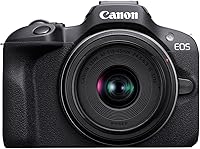
The Canon EOS R50 is the better buy for most people: a 24.2MP camera with an 18-45mm lens included and a score of 9.7. Pick the Sony A6700 only when you need a 26MP sensor, 759 autofocus points and 4K/120p video.
On this page (8 sections)
The Canon EOS R50 is the better buy for most people. In this Canon EOS R50 vs Sony A6700 matchup, the R50 wins on value: you get a 24.2MP camera and an 18-45mm lens in one bundle, plus reliable Dual Pixel autofocus.
The Sony A6700 is the stronger camera for video and fast action. The two take different paths.
The R50 is built to get a new photographer shooting quickly. The A6700 is a step-up body with more autofocus coverage and higher frame rate video.
Which one fits depends on your budget and what you plan to shoot. This comparison weighs the specs that decide the choice: lens mount, sensor, autofocus, video and handling.

 Best for video and subject tracking
Sony Alpha a6700 APS-C Mirrorless Camera Body
Canon EOS R50 vs Sony A6700 at a glance
The R50 gives you more camera for less; the A6700 gives you more reach and speed. Start with the table, then check each deciding point below.
| Feature | Canon EOS R50 | Sony A6700 |
|---|---|---|
| Sensor | 24.2MP APS-C | 26MP Exmor R APS-C |
| Lens in the box | RF-S 18-45mm f/4.5-6.3 IS STM | Body only |
| Lens mount | Canon RF | Sony E |
| Autofocus points | 99 | 759 |
| Video | Oversampled 4K, 10-bit | 4K/60p 6K oversampled, 4K/120p |
| Color depth | 10-bit | 10-bit |
| Display | Bright, full-view screen | Articulating LCD |
| Flash | No built-in flash | No built-in flash |
| Our score | 9.7 | 9.1 |
The biggest split is in the box. The R50 arrives ready to shoot, while the A6700 needs a lens before you can take a photo.
The A6700's spec lead shows up in autofocus points and video frame rates. Those matter most when your subject won't sit still.
Sensor size and resolution: how big is the gap?
The A6700's 26MP sensor edges out the R50's 24.2MP, a gap of about 1.8 megapixels. Both are APS-C sensors, so they share a 1.6x crop factor and similar depth-of-field behavior.
That resolution gap rarely decides a buy. It shows up in large prints and tight crops, where 26MP leaves a little more room to trim.
For social sharing and normal prints, the 24.2MP R50 has plenty of detail. The A6700's back-illuminated Exmor R design and BIONZ XR processor point to strong low-light results.
The R50's 24.2MP sensor pairs with Canon's own processing for clean, vibrant files. For most shooters, the two land close in everyday light.
Lens mount: RF vs Sony E
This is the point that shapes the whole decision. Your mount decides which lenses you can buy and how much the system costs over time.
The R50 uses the Canon RF mount, and the included RF-S 18-45mm covers wide to standard focal lengths. It's a compact everyday zoom for portraits, street shooting and travel.
Image stabilization helps steady handheld shots, and the STM motor keeps autofocus quiet and smooth. The A6700 uses the Sony E mount, which has a long and broad lens history.
If you already own Sony E lenses, the A6700 lets you keep using them. If you're starting fresh, the Sony system gives you more options to grow into.
If you have no lens collection, the R50's included zoom is a real advantage. You can shoot on day one and add lenses later.
Autofocus: does the A6700's AI lead matter?
Yes, for moving subjects. The Sony A6700's dedicated AI processor and 759 autofocus points give it more coverage and smarter subject recognition.
The Canon R50's 99-point Dual Pixel system is still fast and reliable for everyday photos and video. The A6700 detects eyes and faces with real-time recognition, and its AI processor helps it keep a lock as subjects move.
For sports, wildlife and events where your subject won't stay still, that extra coverage helps. The R50's Dual Pixel autofocus handles subject tracking, face and eye detection well.
It's built for creators, with tracking that follows your subject across the frame. For portraits, family events and travel video, it does the job without fuss.
If your photography is mostly stills of people and places, the R50's autofocus won't hold you back. If you shoot fast action or want the camera to find and hold a subject on its own, the A6700's extra points and AI processor earn their keep.
Eye and face detection in everyday shooting
Both cameras detect faces and eyes. The A6700 adds AI-driven subject recognition on top.
For posed portraits and vlogging, the R50's face and eye detection works well and keeps focus locked. The A6700's advantage shows up in busier scenes.
Its 759 points spread more coverage across the frame, so a moving subject stays tracked near the edges. That matters when you compose off-center.
Video: which camera is the stronger recorder?
The Sony A6700 is the stronger video camera. It records 4K/60p in 6K oversampled 4:2:2 10-bit and adds 4K/120p for slow motion.
The Canon R50 records oversampled 4K in 10-bit and makes vertical video easy. The A6700's All Intra and Long GOP options give editors more flexibility.
High frame rate 4K/120p opens up slow-motion shots of action, water and wildlife. The R50 keeps video simple for creators.
Its oversampled 4K looks sharp, and subject tracking follows faces and eyes. Vertical shooting and in-camera Creative Assist guides help you shoot and share social-ready clips without heavy editing.
If you shoot vlogs, travel clips and family video, the R50's simpler approach is easier to live with. If you shoot action, wildlife or cinematic slow motion and plan to edit, the A6700's formats and frame rates are worth the extra cost.
4K quality and frame rates
Both deliver 10-bit 4K. The R50's oversampled 4K gives detailed footage with smooth tracking.
The A6700's 6K oversampling and 4K/120p option push it ahead for fast motion.
Vertical video and in-camera help
The R50 includes social tools like vertical shooting and Creative Assist guides. The A6700 centers its help on AI subject recognition rather than creative guidance.
A first-time creator will find the R50 friendlier.
Handling, controls and everyday use
The A6700 gives you more control and a flexible articulating screen; the R50 keeps things simple for new shooters. Both are compact mirrorless cameras with no built-in flash.
The A6700's articulating LCD makes it easy to frame from odd angles and for self-recording. Its control set suits shooters who want manual modes and quick adjustments.
Exposure modes include Aperture Priority, Auto, Manual, Program and Shutter Priority. The R50 offers automatic exposure control and in-camera guidance.
Its display is bright and gives a full-view shooting experience with easy focus control. For a beginner who wants the camera to handle decisions, that's a plus.
Neither camera has a built-in flash. Plan for a separate flash or continuous light for dim scenes.
If flash is important, a camera with a built-in unit may suit you better.
Physical controls and menus
The A6700 carries more dedicated controls for manual shooting. Its five exposure modes cover full manual control.
The R50's automatic exposure and Creative Assist suit shooters who want the camera to guide them.
Displays and framing
The A6700's articulating screen flips out for high and low angles. The R50's screen stays bright and offers easy focus control.
Both make framing comfortable, but the Sony's screen moves more freely for unusual angles.
Lens range and long-term system cost
Sony's E mount offers more lenses; Canon's RF mount pairs its lenses tightly with the R50's autofocus. The A6700 gives you a wider choice of glass to grow into.
The R50's included 18-45mm means you start without buying a lens. The A6700's compatibility with Sony E lenses is a real advantage if you already own some.
Your mount decides your future spending more than any single spec. The RF mount's narrower range means fewer third-party options.
That can limit your choices later if you want specialty lenses. But the R50's kit lens covers the basics, so many people never need more than that.
If you plan to build a lens collection over years, the A6700's wider range is worth weighing. If you want one camera and one lens to start, the R50's bundle is simpler.
Starting from scratch
The R50's included RF-S 18-45mm is stabilized and quiet. It covers wide to standard, so portraits, street and travel shots are all within reach.
For a first camera, that's a practical starting point.
Growing a lens collection
The A6700's Sony E mount gives you more lenses to choose from. If you already own E-mount glass, the A6700 lets you keep using it.
That can save money over time. For more on the R50's place in Canon's line, our Canon R50 review covers its kit setup and creative tools.
Who should buy the Canon EOS R50?
Buy the Canon EOS R50 if you want a ready-to-shoot camera at a lower price. It's the best pick for beginners, families and creators who mostly shoot people, travel and everyday video.
The R50's 24.2MP sensor and included 18-45mm lens get you started without extra shopping. Its Dual Pixel autofocus tracks faces and eyes, so portraits and video stay sharp.
Creative Assist guides and vertical video make social content easy. Skip the R50 if you need high frame rate video or the widest autofocus coverage.
For fast action and slow motion, the A6700 is the stronger choice. If you're comparing smaller options too, our Canon R50 vs Sony A6400 matchup covers the step below.
Is the R50 right for a first camera?
Yes. The included lens, automatic exposure and Creative Assist guides lower the learning curve.
You can shoot good photos and video before you master manual settings. If you'd rather spend less and accept fewer features, the Canon R100 review covers a simpler entry model.
Who should buy the Sony A6700?
Buy the Sony A6700 if video and subject tracking are your priorities. It's the best pick for action, wildlife, events and anyone who shoots 4K at high frame rates.
The A6700's 26MP sensor, 759 autofocus points and AI processor keep a lock on moving subjects. Its 4K/60p 6K oversampled and 4K/120p options give you cinematic footage.
Sony's E mount opens a wide lens range. Skip the A6700 if your budget won't stretch to a lens after the body.
It ships body only, so the true cost includes glass. If you mostly shoot stills of family and travel, the R50's bundle gives you more for less.
For more on the Sony side of the lineup, our Canon EOS R10 vs Sony A6400 comparison shows how the E mount competes at a lower price.
Is the A6700 worth it for stills only?
Not usually. Its advantages show up most in video and moving subjects.
For portraits, travel and everyday stills, the R50's 24.2MP sensor and autofocus cover the same ground.
Verdict: which camera should you buy?
For most people, the Canon EOS R50 is the camera to buy. It wins on value with an included lens, reliable autofocus and simple creative tools.
The Sony A6700 is the better camera for fast action and high frame rate video. The R50's score of 9.7 reflects its fit for the typical buyer: a first mirrorless camera with everything needed to start.
The A6700's 9.1 reflects its extra capability, balanced against its body-only cost and the lens you'll need to buy. So the Canon EOS R50 vs Sony A6700 decision comes down to your subject.
Pick the R50 for everyday photos, family video and social clips. Pick the A6700 for sports, wildlife and cinematic slow motion.
Our scores weigh specs, features and the needs of the shopper behind the keyword against each other. If neither fits your budget or your plans, read our Canon EOS R100 review to see whether a simpler body is the better start.
And if you're still weighing Canon's own lineup, the Canon EOS R10 vs Sony A6400 matchup is the next comparison to read. The quick decision rule: choose the R50 unless fast action or high frame rate video is your main reason for buying.
If that's the case, the A6700 earns its place.
Frequently asked questions
Is the Canon EOS R50 or Sony A6700 better for beginners?
The Canon EOS R50 is better for beginners. It comes with an 18-45mm lens and offers Creative Assist guides.
You get out and shoot without buying a separate lens.
Which camera has better autofocus, the R50 or the A6700?
The Sony A6700 has more autofocus coverage: 759 points plus a dedicated AI processor for subject recognition. The Canon R50's Dual Pixel autofocus with 99 points still tracks faces and eyes well for everyday photos and video.
Do both cameras shoot 4K video?
Yes. The Canon R50 records oversampled 4K with 10-bit color and supports vertical video.
The Sony A6700 goes further with 4K/60p 6K oversampled 4:2:2 10-bit recording and 4K/120p slow motion.
Is the Sony A6700 worth the extra cost over the R50?
It depends on what you shoot. The A6700 earns its keep for fast action, wildlife and high frame rate video.
For portraits, travel and everyday video, the R50 bundle covers nearly everything.
Can I use the same lenses on both cameras?
No. The Canon R50 uses the Canon RF mount and the Sony A6700 uses the Sony E mount.
Each camera takes its own brand's lenses, so factor in the lens range when you choose between them.