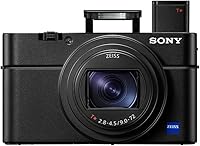
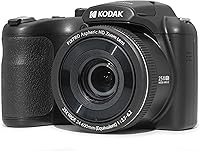
7 Best Compact Cameras Under $500 (November 2026)
The best compact cameras under 500 dollars include the Kodak PIXPRO FZ55 for everyday outings, the Kodak PIXPRO FZ45 for trips without charging, and the Kodak PIXPRO AZ255 for sightseeing from afar.
On this page (7 sections)
- Which compact cameras under 500 dollars are the best picks?
- How we compared these compact cameras
- How do you choose the best compact camera under 500 dollars?
- How should you set up a compact camera before an outing?
- What mistakes cause disappointing compact-camera photos?
- How do you care for the camera and protect your photos?
- Which compact camera under 500 dollars should you choose?
The Kodak PIXPRO FZ55 is our best compact camera under 500 dollars pick for everyday photos because it pairs a pocket-friendly body with optical zoom and rechargeable power. Choose the FZ45 for AA batteries, an AZ model for distant subjects, or the C1 for self-framing.
Start with the photos you actually take. A camera for restaurant snapshots and neighborhood walks needs different features from one for birds across a pond.
This group includes small point-and-shoot cameras and longer-zoom bridge cameras. Check the current cost and included accessories before ordering so the whole kit fits your budget.
If your phone already covers your photos, read whether compact cameras are worth it first. A separate camera earns its place when its lens, controls or shooting routine gives you something useful.
Our picks at a glance
-
1

-
2

-
3

Which compact cameras under 500 dollars are the best picks?
Choose the FZ55 for everyday carrying, then move to another pick only when a specific need changes the decision. Replaceable batteries, distant subjects, wireless sharing and self-framing are the main reasons to choose differently.
Kodak PIXPRO FZ55: Best for everyday outings
- 16MP CMOS sensor
- 5x optical zoom
- 28mm wide-angle lens
- 1080p Full HD video
- Rechargeable battery with USB charging
A pocket-friendly choice for casual trips and family snapshots, with a zoom lens and in-camera charging. Choose it when easy carrying matters more than distant close-ups.
Pros
- Pocket-friendly body
- Rechargeable battery charges over USB
- Zoom lens covers nearby subjects and wider scenes
Cons
- Fixed screen limits self-framing
- Modest reach for distant subjects
The Kodak PIXPRO FZ55 suits casual travel, family gatherings and everyday snapshots. Its 5x optical zoom and 28mm wide-angle setting let you move between a group photo and a closer view without changing cameras.
This is the sensible starting point when you want a camera that can stay nearby during ordinary outings. You don't need a distant subject or a planned photography trip to make use of its lens.
The fixed 2.7 in screen works for composing from behind the camera, but it won't turn toward you. Skip it if solo video or carefully framed selfies will make up most of your use.
Battery life is about 200 shots per charge, so build charging into your routine before a long outing. Kodak calls for at least 4 hours before first use; a regular charge takes about 2 hours with the supplied adapter.
For a closer look at its strengths and limits, read our Kodak PIXPRO FZ55 review.
Kodak PIXPRO FZ45: Best for trips without charging
- 16MP CMOS sensor
- 4x optical zoom
- 27mm wide-angle lens
- 1080p Full HD video
- Runs on 2 AA batteries
A simple pocket camera for people who prefer carrying spare batteries to planning charging stops. Its shorter zoom range suits nearby subjects.
Pros
- Replaceable AA power
- Pocket-friendly body
- Wide-angle framing for groups
Cons
- Shorter optical reach than the FZ55
- Requires a supply of spare batteries
The Kodak PIXPRO FZ45 is for buyers who prefer spare batteries over charging stops. It runs on 2 AA alkaline cells, which makes the power plan straightforward: carry a fresh pair and replace both together.
Its 4x optical zoom and 27mm wide-angle setting suit nearby family scenes, buildings and travel details. Choose it for ordinary snapshots rather than close views of wildlife or performers across a large venue.
The main reason to choose it over the FZ55 is how you want to handle power. If charging overnight is easy, the FZ55's rechargeable setup avoids managing a supply of disposable cells.
The fixed 2.7 in screen also makes this a camera to use from behind. Skip it if a screen that faces forward or a much longer lens is central to your plans.
Pack spare cells in a protective holder rather than loose beside keys. Our guide to the best Kodak PIXPRO cameras shows where this simple pocket model fits.
Kodak PIXPRO AZ255: Best for sightseeing from afar
- 16MP CMOS sensor
- 25x optical zoom
- 24mm wide-angle lens
- Optical image stabilization
- Runs on 4 AA batteries
A bridge camera for travelers who want wide scenery and distant details from one lens. AA power suits trips where carrying spare cells is practical.
Pros
- Wide-to-telephoto lens range
- Optical image stabilization
- Replaceable AA power
Cons
- Less reach than the other AZ picks
- Requires carrying 4-cell battery sets
The Kodak PIXPRO AZ255 suits sightseeing where you can't always walk closer. Its 25x optical zoom covers a 24 to 600mm equivalent range, so one lens can frame a broad view and isolate a distant detail.
Choose this bridge camera when you regularly spot subjects beyond the useful reach of a basic pocket camera. A building ornament, stationary animal or performer seen from a distance gives that extra reach a clear purpose.
Optical image stabilization helps reduce hand movement, but it doesn't stop a moving subject. Good light and a steady hold still matter, especially as you zoom farther in.
It uses 4 AA batteries, so carry complete replacement sets. Skip it if you want the smallest everyday camera or if most of your pictures happen across a dinner table.
Start wide, find the subject, then zoom gradually to avoid losing it from the frame. For trip planning, compare it with our compact camera picks for travel.
Canon PowerShot ELPH 360 HS: Best for sharing vacation photos

- 20.2MP CMOS sensor
- 12x optical zoom
- Optical image stabilizer
- Built-in Wi-Fi and NFC
- 3.0 in LCD
A slim camera for buyers who want more reach than the basic pocket picks and wireless smartphone transfers. Hybrid Auto adds short clips to a photo recap.
Pros
- Zoom range between the basic compacts and bridge cameras
- Wi-Fi and NFC for smartphone transfers
- Hybrid Auto creates short recaps
Cons
- Body-only package needs an accessory check
- Less reach than the AZ models
The Canon PowerShot ELPH 360 HS suits travelers who want more lens reach than the basic pocket picks and a wireless route to their phone. Its slim body pairs 12x optical zoom with an optical image stabilizer.
The 20.2MP CMOS sensor and 3.0 in LCD are useful facts, but sharing and carrying habits should drive this choice. Built-in Wi-Fi and NFC support smartphone transfers without making every photo session depend on a computer.
Set up the phone connection before leaving home. Learning the transfer steps during a quiet evening is easier than doing it while others wait for vacation photos.
Hybrid Auto records up to 4 seconds before a still photo and combines clips and photos into a recap. Use it when you want brief context around pictures, rather than treating it as a substitute for planned video.
This version comes as camera body only, so check the battery and charging accessories you need. Skip it if maximum telephoto reach or a screen that faces you matters more than wireless sharing.
Kodak PIXPRO AZ528: Best for distant wildlife

- 16MP BSI CMOS sensor
- 52x optical zoom
- Optical image stabilization
- 6 fps burst mode
- Built-in Wi-Fi
The longest-reaching option here suits buyers whose main subjects are far away. Burst shooting, wireless transfers and remote live-view control add flexibility.
Pros
- Longest optical reach in this group
- 6 fps burst shooting
- Wi-Fi supports transfers and remote framing
Cons
- Fixed screen
- Extreme zoom requires careful framing and support
The Kodak PIXPRO AZ528 is the specialist choice for subjects you can't approach. Its 52x optical zoom is the longest in this group, making it the clearest fit for buyers who regularly photograph distant wildlife or field activity.
It combines optical image stabilization with 6 fps burst shooting. A short sequence gives you several moments to choose from, but success still depends on focus, subject movement and light.
Use the zoom in stages instead of going straight to maximum reach. Find a bird or player in a wider view, follow its movement, then tighten the frame when you can keep it centered.
Wi-Fi supports photo transfers and remote live-view control from a phone. That remote view can help when you want to compose while standing away from the camera.
Choose it when distant subjects are the reason for carrying a dedicated camera. Skip it for mostly nearby snapshots, and plan charging around its rechargeable battery before a long day away from an outlet.
Kodak PIXPRO AZ405: Best for outdoor spectator outings

- 20MP CMOS sensor
- 40x optical zoom
- Optical image stabilization
- Automatic scene detection
- Runs on 4 AA batteries
A long-zoom bridge camera for outdoor events and distant details when you prefer AA power. Automatic scene detection keeps basic shooting approachable.
Pros
- Long optical reach
- Optical image stabilization
- Automatic scene detection
Cons
- Fixed screen
- Requires carrying 4-cell battery sets
The Kodak PIXPRO AZ405 suits outdoor spectator outings where you want close framing and replaceable power. Its 40x optical zoom and 24mm wide-angle setting cover both the wider scene and distant details.
The 20MP CMOS sensor offers image detail, while optical image stabilization helps control hand shake. Neither feature removes the need to hold steady or use enough light for moving subjects.
Automatic scene detection makes it an approachable choice if you want the camera to handle basic settings. You can focus on timing and composition instead of making every exposure choice yourself.
It runs on 4 AA batteries, so it fits a routine built around spare cells. Choose it over the AZ255 when you have a clear need for more reach; consider the AZ528 when its longer lens or wireless features matter more.
Skip it if you mainly photograph people indoors or want an easy pocket companion. Before a school or sporting event, check the venue's camera rules and practice finding a subject through the zoom.
Kodak PIXPRO C1: Best for casual self-recording

- 13MP CMOS sensor
- 26mm fixed lens
- 180-degree tilting 2.8 in screen
- 1080p Full HD video
- USB-C charging
A simple option for selfies, nearby groups and casual video, with a screen you can turn toward yourself. Skip it when distant subjects are a main reason for buying.
Pros
- Tilting screen helps self-framing
- USB-C charging
- Wide-angle lens for nearby scenes
Cons
- No optical zoom
- microSD and microSDHC support limited to 32GB
The Kodak PIXPRO C1 suits casual self-recording, selfies and nearby group photos. Its 2.8 in screen tilts 180 degrees, letting you check framing while standing in front of the camera.
The 13MP sensor sits behind a 26mm fixed wide-angle lens. There is no optical zoom, so choose this camera for scenes you can frame by changing your position safely.
That makes it a poor match for wildlife, distant stage performers or details across a street. A tilting screen won't make up for missing lens reach if those subjects fill your photo plans.
USB-C charging serves the built-in rechargeable battery. Storage uses microSD or microSDHC cards up to 32GB, so don't assume a full-size card from another camera will fit.
For self-recording, leave space around your head and check the background before starting. Keep faces away from the extreme edges of a wide-angle frame, and record a short sample to confirm your position.
How we compared these compact cameras
We compared lens range, carrying style, power, screens and transfer options to decide which buyer each camera serves. Everyday usefulness puts the FZ55 first; specialist features explain why another model may suit you better.
A long lens doesn't automatically make a camera the best choice for daily use. It matters when the subjects you want are far away, while a small body matters every time you decide whether to bring the camera.
The comparison below highlights resolution, optical zoom and power. Read those together rather than choosing from one large number.
| Product | Best for | Resolution | Optical zoom | Power | Our score |
|---|---|---|---|---|---|
| Kodak PIXPRO FZ55 | everyday outings | 16MP | 5x | Rechargeable lithium-ion battery | 9.1 |
| Kodak PIXPRO FZ45 | trips without charging | 16MP | 4x | 2 AA alkaline batteries | 8.6 |
| Kodak PIXPRO AZ255 | sightseeing from afar | 16MP | 25x | 4 AA alkaline batteries | 7.8 |
| Canon PowerShot ELPH 360 HS | sharing vacation photos | 20.2MP | 12x | Lithium-ion battery | 7.6 |
| Kodak PIXPRO AZ528 | distant wildlife | 16MP | 52x | Rechargeable lithium-ion battery | 7.5 |
| Kodak PIXPRO AZ405 | outdoor spectator outings | 20MP | 40x | 4 AA alkaline batteries | 7.2 |
| Kodak PIXPRO C1 | casual self-recording | 13MP | None; fixed lens | Built-in rechargeable battery | 7.0 |
Megapixels alone don't guarantee image quality, and zoom range doesn't guarantee focus performance. For moving children or evening events, think about light and subject movement before choosing by resolution or reach.
How do you choose the best compact camera under 500 dollars?
Choose by subject distance first, carrying style second and power routine third. Those choices narrow this group more usefully than comparing every feature at once.
Which compact camera under 500 fits your usual photos?
Choose a small zoom camera for nearby people and everyday scenes, a bridge camera for distant details, or a tilting-screen model for self-recording. Write down your 3 most common photo situations before choosing.
For example, family meals, walks and weekend trips point toward a pocket model. Birds across water, sightseeing from overlooks and outdoor performances give a longer lens a clearer job.
Separate common needs from rare ones. Buying around a single possible wildlife outing can leave you carrying a camera that doesn't suit the rest of your year.
How much optical zoom will you use?
Buy enough optical reach for your subjects, then consider how easily you can frame them. Optical zoom changes the lens view; digital zoom crops and enlarges a smaller part of the captured image.
A zoom multiplier describes the relationship between a lens's widest and longest settings. It doesn't tell you the starting angle, so compare equivalent focal lengths when those figures are available.
Wide-angle framing matters indoors because you may not be able to step back. Longer reach matters across a field, but tight framing can make a moving subject harder to find and follow.
Is a pocket camera or bridge camera a better fit?
Choose a pocket camera when easy carrying is the priority. Choose a bridge camera when lens reach is important enough to shape what you carry.
Check where the camera will go during an actual outing. A jacket pocket, small purse and separate camera bag create different limits, especially once you add spare batteries and a protective case.
Read mirrorless camera vs point and shoot if you also want room to change lenses later. Our best point and shoot cameras guide covers more fixed-lens options.
Which battery setup matches your routine?
Rechargeable power suits a routine with reliable charging access; AA power suits a routine built around spare cells. Neither choice helps if you leave home without a charged battery or fresh replacements.
For AA cameras, use the battery type the camera supports and replace a full set together. Don't mix old and new cells, and keep loose batteries away from metal objects.
For rechargeable models, identify the correct charging method before your first trip. Don't assume a familiar-looking cable means every camera charges the same way.
What matters for video and phone sharing?
All 7 picks record 1080p Full HD video, so compare how you'll frame, hold and share clips. A forward-facing screen is especially useful when you are your own subject.
A camera used from behind can work for scenery and family clips without that screen movement. For video, gentle pans and a stable position are usually easier to watch than repeated zooming.
Wireless transfer is useful only if the phone connection fits your routine. Set it up early, transfer a few files and make sure you know where the photos are saved.
How should you set up a compact camera before an outing?
Prepare power, storage and basic settings at home, then take a few sample photos and a short clip. This catches simple setup problems before a birthday, trip or school event.
Choose the right memory card
Match both the card format and supported capacity to the camera. The C1 uses smaller cards than the full-size SD-family cards supported by the other Kodak picks.
The FZ55, FZ45, AZ255 and AZ405 accept Class 10 SD, SDHC or SDXC cards up to 512GB. The AZ528 supports those card families up to 1.5TB; capacity alone isn't a reason to choose the largest card.
Copy existing files elsewhere before formatting a card in the camera. Formatting clears its contents, so check that your copies open before proceeding.
Set up a simple shooting routine
Start with automatic shooting, set the date and time, and learn how to review and delete a photo. Practice changing between stills and video so you won't need to search menus during a brief moment.
For autofocus cameras, practice a gentle half-press of the shutter and wait for the focus indication before pressing fully. Aim at your subject rather than a busy background.
Take a nearby portrait, a wide scene and a zoomed photo. Review them at a larger size on a computer or phone to see whether focus and framing match what you intended.
Pack for the whole outing
Attach the supplied strap where one is included, and use it before moving around with the camera. Pack the correct cable, storage and power supplies together so the kit is ready to leave.
Leave enough room in your bag to protect the camera from keys and loose objects. Our guide to traveling with a camera covers transport and packing in more detail.
What mistakes cause disappointing compact-camera photos?
The main mistakes are using too much zoom, ignoring light and expecting stabilization to freeze movement. Correct those habits before deciding you need a different camera.
Zooming farther than the shot needs
Tight framing magnifies hand movement and makes it easier to cut off a subject. Leave some room around moving people or animals instead of trying to fill every edge.
Start wider when following action, then zoom in after you can keep the subject in view. Use digital enlargement sparingly because it doesn't capture extra optical detail.
Treating stabilization as a cure for motion
Stabilization helps with camera shake, while a running child or moving bird creates a separate problem. More light can give an automatic camera more room to use a faster shutter speed.
Brace your elbows, hold with both hands and press the shutter gently. For a still subject in dim light, a stable support can help, provided the camera is secure.
For family portraits, face people toward soft window light or open shade when possible. A bright window behind faces can make exposure harder; our best cameras for family photos guide covers other family-focused choices.
Expecting every compact to improve on a phone
A dedicated camera's advantage may be its lens reach or separate controls rather than better results in every scene. Compare the kinds of photos you actually keep, especially indoor shots and moving subjects.
If instant sharing is essential, include transfer steps in your decision. A camera that creates extra work you dislike may stay home even when its features look appealing.
How do you care for the camera and protect your photos?
Keep the lens clean, protect the camera from moisture and back up photos after important outings. These habits protect both the equipment and the pictures you can't replace.
Use a clean lens cloth after removing loose dust with a suitable blower or soft brush. Avoid wiping grit across the lens, and keep fingers away from the glass.
Don't force a lens mechanism or push the camera into a tight case while it's operating. Let it finish shutting down before putting it away.
Keep the camera dry unless its instructions explicitly allow wet use. After moving from cold air into a warm room, leave it in its closed bag briefly so it can warm gradually.
Copy photos to a computer or other storage after a trip, then keep another copy separately. Open several files before clearing the memory card; a single card shouldn't hold your only copies.
Which compact camera under 500 dollars should you choose?
Choose the FZ55 if the camera needs to come along often, and the FZ45 if replaceable power is your main preference. These are the starting points for nearby subjects and ordinary outings.
For distant subjects, choose the AZ255 when its reach meets your needs, the AZ405 for more reach with AA power, or the AZ528 for the longest lens here and wireless features. Don't choose a bridge camera solely for occasional use at maximum zoom.
Pick the Canon for a slim zoom camera with wireless sharing, or the C1 when seeing yourself on screen matters more than reaching distant subjects. Those are specific reasons to move away from the everyday picks.
The best compact camera under 500 dollars is the one that fits your usual subjects and leaves room for the accessories you'll use. For a trip, make the final choice alongside our best compact cameras for travel.
Our top 3 picks at a glance
-
1
-
2
-
3
Frequently asked questions
What is the best compact camera under 500 dollars?
The Kodak PIXPRO FZ55 is our first choice for everyday carrying and casual photos because it combines a pocket-friendly body, optical zoom and rechargeable power. Choose a bridge camera instead if distant subjects drive your decision, or the C1 if seeing yourself on the screen matters most.
Are compact cameras better than a phone?
A compact camera can be more useful for optical zoom or separate camera controls, but image quality depends on the particular camera, phone and light. Read our guide to whether compact cameras are worth it to decide whether a dedicated camera solves a problem your phone leaves.
What does optical zoom do?
Optical zoom changes framing through the lens before the image is captured, while digital zoom crops and enlarges part of the image. Compare the lens's wide and telephoto ends as well as its zoom ratio, because a larger multiplier alone doesn't tell you how wide a scene it captures.
Can compact cameras record video?
Yes, all 7 cameras here record 1080p Full HD video, but the screen and your recording position also matter. Choose a screen that faces you for self-recording, use gentle camera movements, and record a short sample before an event to check framing, sound and available storage.